
Back to BlogSuspension Repair
Suspension Problems You Should Never Ignore
July 1, 2026 6 min readBy T&H Tire And Auto Service
A bouncy ride is more than uncomfortable — worn struts and shocks affect braking distance and tire wear. Here is what to watch for.
The bounce test
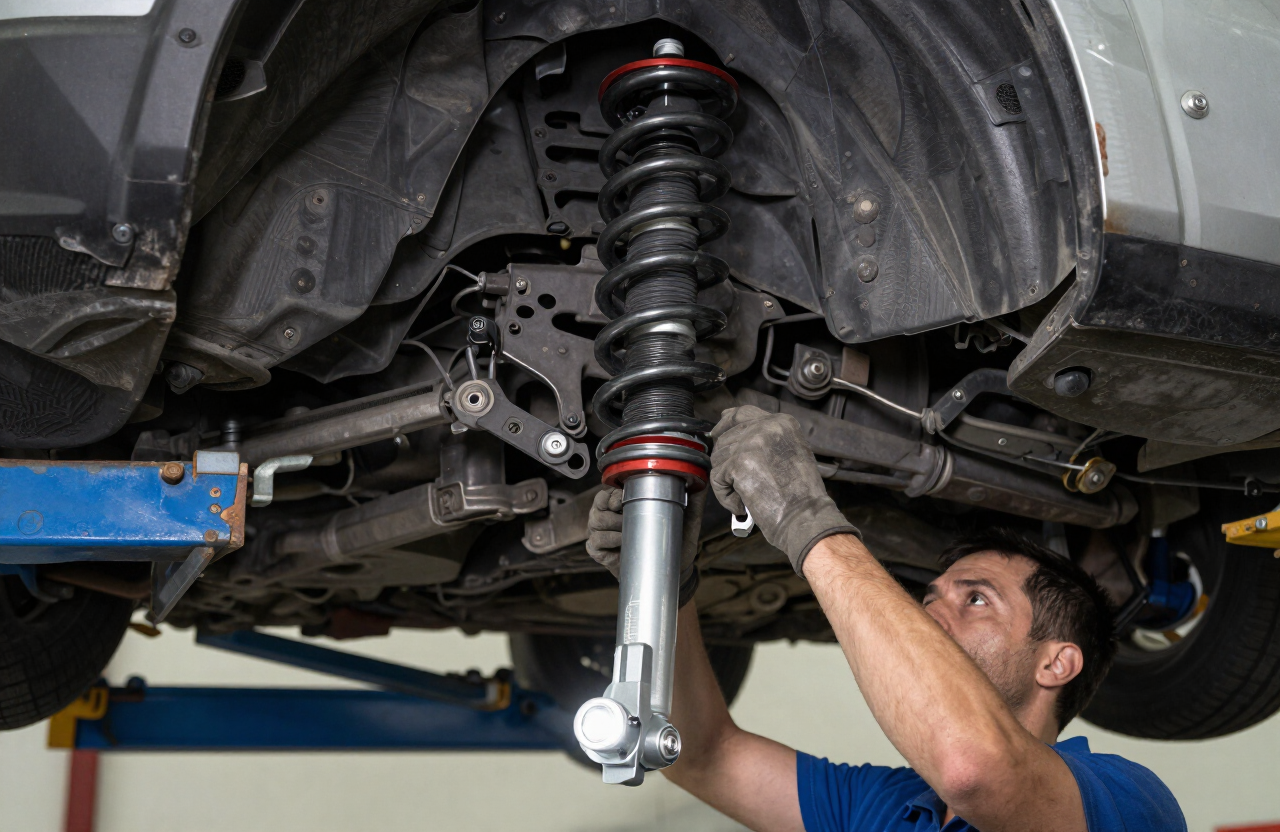
Push down firmly on each corner of your car and let go. A healthy suspension will settle back to level within one bounce. If the car keeps bouncing two or three times, the strut or shock at that corner is worn out and no longer controlling the spring properly.
Clunking or knocking over bumps
A clunk when you go over a pothole or speed bump on Old Hickory Blvd often points to worn sway bar links, bushings, or control arm components. These parts are inexpensive individually, but ignoring the noise lets the wear spread to more expensive parts nearby.
Uneven or cupped tire wear
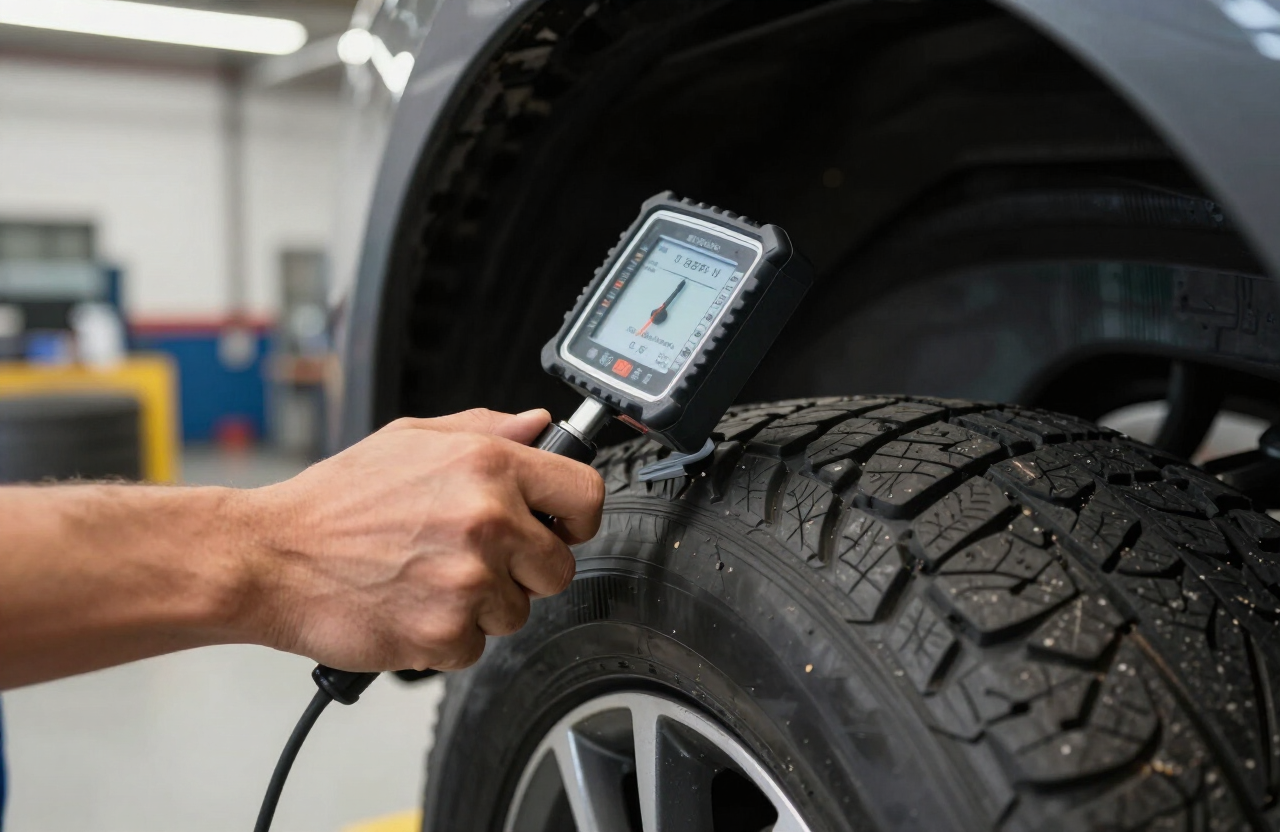
Suspension components keep your tires planted flat against the road at the correct angle. When struts, shocks, or control arm bushings wear out, tires start to scallop or cup unevenly — which is often the first visible sign of a suspension problem, well before you notice it in the ride.
Nose-diving under braking or swaying in turns
If the front of your car dives noticeably when you brake, or it leans and sways more than it used to through curves, your struts have likely lost their damping ability. This is both a comfort issue and a real handling and stopping-distance concern.
Why it matters for your safety and your wallet
A worn suspension increases stopping distance, reduces steering control in emergency maneuvers, and accelerates tire wear — turning a suspension repair into a tire replacement bill too if left unaddressed. Our technicians diagnose suspension issues on the lift with precision tools and explain exactly what is worn before recommending any repair.
Need this looked at in person?
Our team offers free inspections at 3602 Old Hickory Blvd.
Questions & Answers
Frequently Asked Questions
Common questions our technicians hear about suspension repair.
Struts and shocks generally last 50,000 to 100,000 miles, but road conditions and driving habits matter. Rough Nashville roads and potholes can shorten their lifespan significantly.
Still have a question? Contact our team or give us a call and we will walk you through it.
Ready to get your vehicle checked?
Our ASE-certified team is ready to help with tires, brakes, oil changes, suspension, and more.