

Back to BlogTire Seasons
Summer Tires vs. All-Season Tires: Performance in Nashville Heat
July 30, 2026 6 min readBy T&H Tire And Auto Service
Tennessee summers are hot and humid. Learn how summer tires compare to all-season tires for hot-weather driving and when you should consider switching.
How summer tires handle Tennessee heat
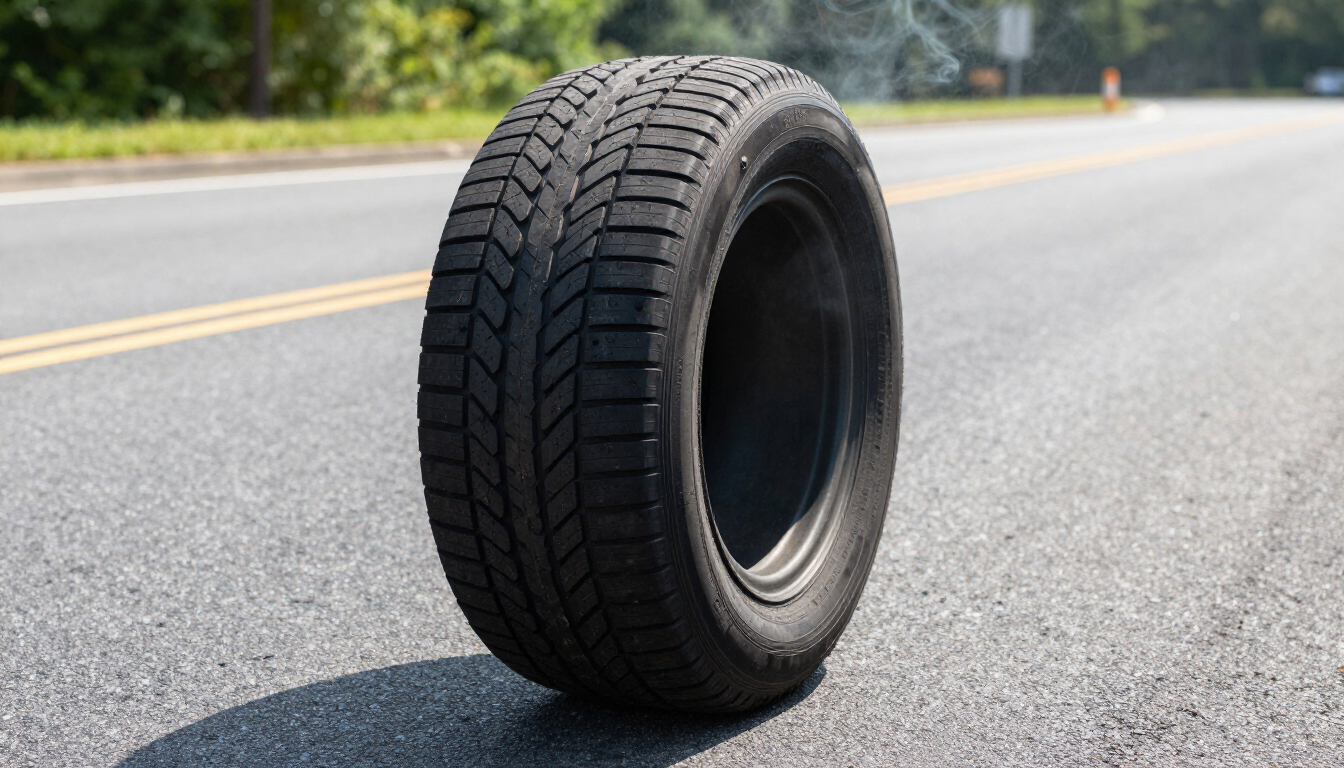
Summer tires use a harder rubber compound that stays firm in high temperatures, providing better grip and responsiveness on hot pavement. All-season tires soften in extreme heat, which can reduce handling precision and increase tire wear. For drivers who want maximum performance in summer, summer tires are the choice.
Summer tires offer better cornering and braking
The stiffer compound and more aggressive tread design of summer tires improve cornering grip and reduce braking distance on dry pavement. If you drive a sports car or performance sedan and want the best handling in summer, summer tires deliver noticeably better performance than all-season tires.
The trade-off: shorter tread life and poor winter performance
Summer tires wear faster than all-season tires because of their softer rubber and more aggressive tread. They also perform poorly in cold weather and are unsafe on snow or ice. Summer tires make sense only if you can switch to winter or all-season tires when temperatures drop.
All-season tires are fine for most Nashville drivers
If you drive a sedan, SUV, or truck for daily commuting and do not care about maximum performance, all-season tires are a practical choice. They handle Nashville summers adequately and eliminate the need for seasonal tire swaps. The trade-off is slightly less precise handling compared to summer tires.
When summer tires make sense
Summer tires are worth considering if you drive a performance vehicle, spend a lot of time on winding roads, or want maximum grip and handling in summer. If you have the budget and storage space for two sets of tires, summer tires in warm months and winter tires in cold months give you the best performance year-round.
Our recommendation for Nashville drivers
Most Nashville drivers are best served by quality all-season tires that balance performance, longevity, and cost. If you drive a sports car or want peak summer performance, summer tires are an option. Either way, we carry both and can help you choose the right tire for your vehicle and driving style.
Need this looked at in person?
Our team offers free inspections at 3602 Old Hickory Blvd.
Questions & Answers
Frequently Asked Questions
Common questions our technicians hear about tire seasons.
Summer tires should be swapped out once temperatures regularly drop below 45 degrees F, as the rubber compound hardens and loses grip. In Nashville, that typically means switching in late October or early November.
Still have a question? Contact our team or give us a call and we will walk you through it.
Ready to get your vehicle checked?
Our ASE-certified team is ready to help with tires, brakes, oil changes, suspension, and more.